

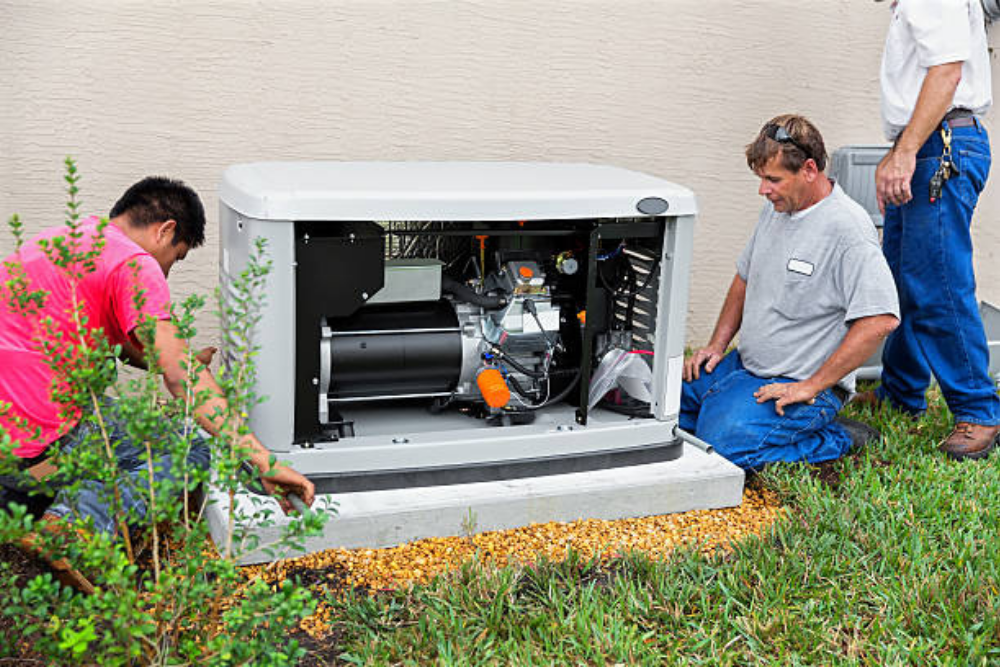
Installing a whole-house generator is a major decision for homeowners who want uninterrupted power during outages and extreme weather. The total costs depend on several factors, from the size of the unit to the complexity of the installation. Understanding what contributes to the price helps you budget wisely and avoid surprising bills when the job starts.
What drives the costs
- Generator size and output (kilowatts, or kW). Bigger homes with more circuits require a larger unit, which costs more upfront.
- Fuel type and availability. Natural gas and propane options influence both the generator unit price and any gas-line work needed.
- Automatic transfer switch (ATS) and wiring. A reliable ATS is essential for seamless power transfer and adds to labor and materials costs.
- Electrical panel and home wiring. If your existing panel is undersized or if circuits must be rearranged, upgrades may be required.
- Permits, inspections, and design. Local codes often require engineered plans and official inspections, which add time and fees.
- Site preparation and installation logistics. A solid pad, proper drainage, and access for heavy equipment influence labor costs.
- Gas line routing and distance from the meter. Long runs or rerouting gas lines can increase material and labor charges.
In addition to the equipment, professional installation, permits, and site prep can add thousands to the price tag. The final cost is highly sensitive to the home’s layout, climate, and the desired level of power redundancy.
Typical cost ranges
Most whole-house standby systems (8–20 kW) installed with an automatic transfer switch and required wiring fall in the typical range of about $7,000 to $15,000. If your home requires a larger generator or extensive gas-line work, the price can climb to $20,000 to $30,000 or more. For smaller homes or simpler, partial-load setups, some projects still come in below $7,000. Prices vary by region, installer, and any OEM or warranty considerations, so getting multiple quotes is a smart move.
How to estimate for your home
Start with a clear understanding of your power needs. List essential loads (refrigeration, heating/cooling, well pump, lights, outlets) and estimate peak usage during outages. Have a licensed electrician perform a professional load calculation and a site assessment. Request written quotes that include the generator unit, ATS, wiring, permits, pad or mounting surface, gas line work if applicable, and any panel upgrades. Compare not only the price but the warranty, after-sales service, and the installer’s planning for permitting and inspections.
Cost-saving tips
- Obtain multiple bids from reputable installers to compare labor and material fees.
- Consider a unit size that covers essential loads first, then expand later if needed.
- Choose a standard natural gas or propane setup when possible to avoid fuel delivery variability.
- Ask about bundled warranty options and service plans for ongoing maintenance.
- Time the project to off-peak seasons when labor demand is lower, potentially reducing costs.
Whether you’re preparing for severe weather or simply seeking peace of mind, understanding the components of whole-house-generator-installation-costs helps you make an informed decision. For ongoing guidance on home improvements and related topics, visit the ReadS Life homepage.
When you’re ready to dive deeper, consult local licensed electricians and certified generator installers for a detailed, site-specific estimate. A clear plan, multiple quotes, and a realistic timeline will help ensure a smooth installation that protects your home when it matters most.
 admin
admin