

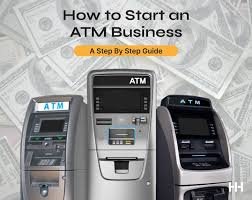
Running an ATM business can offer a steady stream of revenue with the right planning. The core idea is to place automated teller machines (ATMs) in high-traffic locations and generate income from surcharge fees and interchange. This model works well for retail sites, gas stations, convenience stores, airports, and office complexes. If you’re exploring financial services entrepreneurship, understanding the essentials of how to start an atm business can help you map out a profitable plan from day one.
Step 1 – Research, licensing, and compliance
Before you buy a machine, study local regulations, licensing requirements, and banking relationships. Many jurisdictions require registrations for cash-handling services or operating as a money services business (MSB). You’ll also need to set up a merchant account with a processor, establish secure cash handling procedures, and implement anti-fraud measures. A clear compliance framework protects you and your locations, reduces downtime, and supports long‑term growth.
Step 2 – Choose your operating model
There are several paths to profitability. You can own and manage your own machines, work with a processor that supplies ATMs and cash logistics, or partner with location owners on revenue-share agreements. Owning machines gives you broader control but requires more upfront capital and ongoing maintenance. Working with a processor can simplify cash replenishment and monitoring, while location partnerships lower risk and accelerate network growth. When evaluating options, compare upfront costs, processing fees, maintenance support, and remote monitoring capabilities.
Step 3 – Secure locations with high foot traffic
Location strategy is critical. Target venues with steady foot traffic and limited nearby competition—think convenience stores, shopping centers, universities, and large office buildings. Negotiate favorable terms, such as revenue sharing or monthly site fees, and clarify responsibilities for cash replenishment, maintenance, signage, and permissions. A well-placed ATM not only boosts surcharge revenue but also strengthens the value proposition you offer property owners as a partner.
Step 4 – Build a solid financial plan
Budget carefully for equipment costs, software, and cash-management services. A typical machine can run from a few thousand dollars to more than ten thousand, depending on features like EMV security, speech prompts, and remote diagnostics. Ongoing costs include processor fees, network access, cash replenishment, and insurance. A realistic projection should include projected monthly surcharges per machine, expected transaction volumes, maintenance fees, and a plan for rapid expansion once you prove a reliable revenue stream.
Step 5 – Install, monitor, and maintain your network
Choose reliable hardware with remote monitoring so you can track cash levels, uptime, and error alerts from a centralized dashboard. Regular maintenance is essential to minimize downtime and maximize profitability. Establish clear service Level Agreements (SLAs) with technicians or processors, set cash-handling schedules, and implement robust security measures to deter tampering or skimming attempts. A well-maintained fleet not only protects revenue but also improves merchant confidence in your network.
Step 6 – Grow responsibly with marketing and partnerships
As you add locations, emphasize reliability, prompt service, and transparent revenue-sharing terms with property owners. Consider bundled services such as advertising space on machines, promotions tied to local businesses, or loyalty programs that drive foot traffic to partner sites. A scalable plan should include a rollout timeline, a pipeline of target locations, and a system for onboarding new sites without disrupting existing operations.
Be mindful that the ATM industry evolves with technology, security standards, and consumer spending patterns. Staying informed about regulatory changes, processor options, and cash-management innovations will help you refine your strategy over time.
If you’re wondering how to start an atm business, this guide outlines the core steps to help you begin confidently and build a growing network.
For more insights and resources on entrepreneurship and tech-driven business ideas, visit the Bussinify Homepage.
 admin
admin