

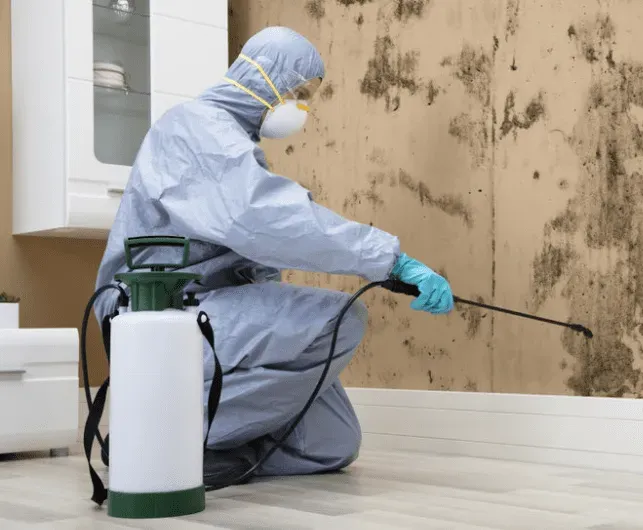
Mold growth in your home is more than just an aesthetic issue—it can pose serious health risks and damage the structural integrity of your property. Understanding the essential tools for cleaning up mold in house is crucial for tackling the problem safely and effectively. With the right equipment, protective gear, and cleaning agents, homeowners can handle mold remediation without professional intervention while minimizing health hazards.
Understanding Mold and Its Risks
Mold thrives in damp, humid environments and can grow on almost any surface, including walls, ceilings, carpets, and furniture. When left unchecked, mold spores spread through the air, potentially triggering allergic reactions, respiratory issues, and even more severe health complications. Identifying the presence of mold early and knowing how to clean up mold in house are critical steps in maintaining a healthy living environment.
Mold can often be recognized by its characteristic musty odor, discoloration on surfaces, and visible growth patterns. However, not all molds are visible, and some may lurk behind walls or under flooring. Therefore, being prepared with the right tools ensures that every hidden corner can be addressed effectively.
Protective Gear for Safe Mold Removal
Before starting the process of cleaning up mold in house, it’s essential to prioritize personal safety. Mold spores can be harmful when inhaled or when they come into contact with skin. The following protective gear is indispensable:
- Respirator Mask: A high-quality N95 or P100 respirator protects your lungs from airborne spores.
- Gloves: Long, waterproof gloves prevent mold spores from contacting your skin.
- Goggles: Safety goggles protect your eyes from irritation during cleaning.
- Protective Clothing: Disposable coveralls or old clothes that can be washed immediately prevent contamination of your everyday clothing.
Using the correct protective equipment is the first step in professional-grade mold remediation and ensures that the process of cleaning up mold in house does not compromise your health.
Cleaning Agents and Solutions
The right cleaning agents are critical when dealing with mold. While there are numerous commercial products, some household solutions are also effective:
- Bleach: Diluted bleach solutions can kill mold on non-porous surfaces like tiles and glass. Mix one cup of bleach with one gallon of water for optimal results.
- White Vinegar: A natural alternative, vinegar penetrates porous surfaces and inhibits mold growth without harsh chemicals.
- Hydrogen Peroxide: This solution acts as both a disinfectant and a mold killer. Use a 3% concentration and apply directly to affected areas.
- Commercial Mold Cleaners: Specialized mold removers contain antifungal agents designed to remove and prevent mold recurrence.
When cleaning up mold in house, always apply these solutions with care, ensuring proper ventilation and following manufacturer guidelines for safety.
Essential Cleaning Tools
Equipping yourself with the right tools not only makes mold removal more effective but also ensures that the process is thorough and efficient. Key tools for cleaning up mold in house include:
- Scrub Brushes: Stiff-bristled brushes are perfect for scrubbing mold off hard surfaces. Use smaller brushes for tight corners and larger brushes for broader areas.
- Sponges and Rags: Non-abrasive sponges are ideal for wiping down surfaces after applying cleaning agents.
- Buckets: Multiple buckets allow you to rinse tools and sponges frequently, preventing the spread of mold spores.
- Spray Bottles: Spray bottles are useful for evenly applying cleaning solutions to affected areas.
- HEPA Vacuum: A vacuum equipped with a HEPA filter can safely remove loose mold spores from floors, carpets, and upholstery without dispersing them into the air.
Using these tools effectively can make the difference between a superficial cleanup and a comprehensive mold remediation effort.
Proper Techniques for Mold Removal
Having the right tools is only part of the equation; knowing the proper techniques is equally important. Follow these steps for professional results when cleaning up mold in house:
- Isolate the Area: Seal off the affected area with plastic sheets to prevent spores from spreading to other parts of your home.
- Ventilation: Open windows and use fans to direct airflow away from clean areas, reducing spore circulation.
- Apply Cleaning Solution: Spray or apply your chosen cleaning agent to the mold-affected surfaces. Allow it to sit for 10–15 minutes to ensure it penetrates the mold.
- Scrub and Wipe: Use brushes or sponges to scrub the area thoroughly. Always work from top to bottom to prevent spores from resettling on cleaned surfaces.
- Rinse and Dry: Rinse with clean water if needed and dry the surfaces completely. Mold thrives in moisture, so complete drying is essential.
- Dispose of Contaminated Materials: Porous materials like drywall, insulation, or carpets that have been heavily affected may need to be discarded to prevent recurrence.
These techniques, combined with the right tools, make cleaning up mold in house more efficient and reduce the risk of further contamination.
Preventing Mold Recurrence
Effective mold cleanup is not complete without addressing the root causes of moisture. Preventive measures include:
- Fixing Leaks: Repair any plumbing leaks or roof damage immediately.
- Humidity Control: Use dehumidifiers in damp areas such as basements and bathrooms.
- Proper Ventilation: Ensure kitchens, bathrooms, and laundry areas are well-ventilated to reduce moisture buildup.
- Regular Cleaning: Periodically clean areas prone to moisture, such as under sinks and behind appliances, using mild mold inhibitors.
By combining professional cleanup techniques with preventive measures, homeowners can significantly reduce the likelihood of future mold problems.
When to Call a Professional
While many mold issues can be handled at home with the right tools and precautions, some situations require professional intervention. If the mold covers a large area, affects HVAC systems, or has penetrated structural components, hiring a certified mold remediation specialist is the safest option. Professionals have access to industrial-grade tools and chemicals that ensure complete eradication without health risks.
Conclusion
Cleaning up mold in house requires more than just basic cleaning supplies. Equipped with protective gear, the right cleaning agents, and essential tools like brushes, sponges, and HEPA vacuums, homeowners can tackle mold effectively. Proper techniques, including isolation, scrubbing, and drying, combined with preventive strategies, ensure that mold does not return. By approaching mold cleanup like a pro, you protect both your home and your health, maintaining a safe and comfortable living environment.