

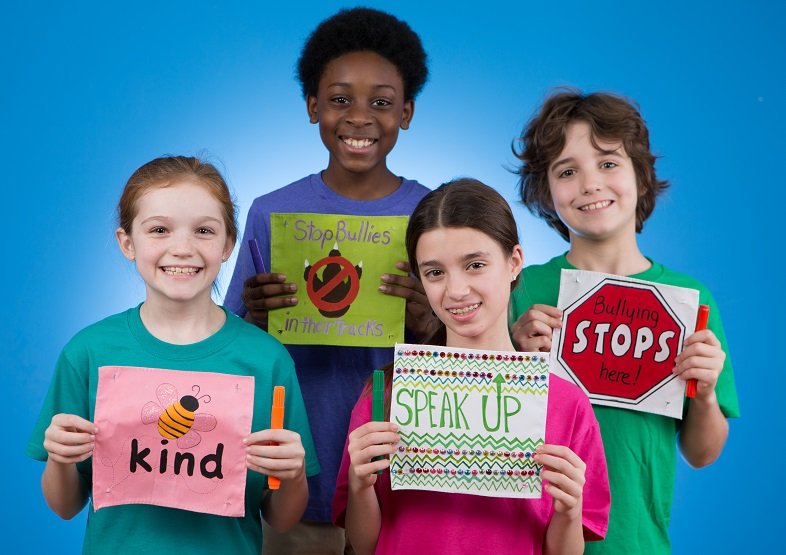
Bullying has become an alarming issue in schools worldwide, affecting students’ mental health, academic performance, and overall well-being. For parents, the challenge is significant: how can they play an active role in protecting their children from bullying? Understanding the dynamics of bullying and implementing effective strategies can make a profound difference. This article will explore practical approaches for parents to engage in bullying prevention for students and create safer environments for their children.
Understanding the Nature of Bullying
Bullying is not just occasional teasing or disagreements among children; it involves repeated, intentional aggressive behavior where there is an imbalance of power. Bullying can take multiple forms, including physical aggression, verbal harassment, social exclusion, and cyberbullying. Recognizing the signs of bullying is essential for parents to intervene effectively. Changes in behavior, withdrawal from social activities, declining grades, and signs of anxiety or depression can all indicate that a student is experiencing bullying. Early identification is a cornerstone of bullying prevention for students.
Open Communication Channels
One of the most effective steps parents can take is to maintain open, honest communication with their children. Encouraging students to share their experiences, fears, and emotions fosters trust and helps them feel supported. Parents should actively listen without judgment, offering reassurance and validation of the child’s feelings. Regular conversations about school life, friendships, and online interactions can provide valuable insights into potential bullying situations. Open dialogue not only helps in early detection but also empowers children to speak up when they feel threatened or uncomfortable.
Educate Children About Bullying
Parents play a crucial role in educating their children about what bullying is and why it is harmful. Teaching students to recognize bullying behaviors helps them differentiate between harmless conflicts and more serious issues that require intervention. Parents can explain the importance of empathy, respect, and inclusion, reinforcing the idea that no one deserves to be bullied. Encouraging students to stand up for themselves and others in safe and constructive ways strengthens resilience. This educational approach is a key component of proactive bullying prevention for students.
Encourage Social Skills and Emotional Intelligence
Developing strong social skills and emotional intelligence can significantly reduce the likelihood of a student becoming a target of bullying. Parents can help children learn to manage emotions, handle conflicts, and build healthy friendships. Activities that promote teamwork, communication, and problem-solving can enhance a child’s confidence and social competence. When students feel capable of navigating social interactions, they are better equipped to respond to potential bullying scenarios. Emotional intelligence also helps children understand the perspectives of others, which can reduce aggressive behavior and promote positive peer relationships.
Collaborate With Schools
Parents should maintain active collaboration with teachers, counselors, and school administrators to ensure a unified approach to bullying prevention for students. Schools often have anti-bullying policies and programs, but parental involvement enhances their effectiveness. Attending parent-teacher meetings, volunteering in school activities, and participating in workshops on bullying prevention can strengthen the partnership between home and school. If a child is being bullied, parents must communicate promptly with school staff to address the situation and work together on intervention strategies. A collaborative effort creates a stronger safety net for students.
Monitor Online Activities
In the digital age, cyberbullying has emerged as a serious threat to students’ well-being. Parents need to be aware of their children’s online interactions and guide them toward safe internet practices. Setting boundaries for screen time, discussing responsible social media use, and monitoring online communication can help prevent cyberbullying incidents. Parents should teach children not to share personal information with strangers and encourage them to report any harmful messages or interactions. By taking an active role in online supervision, parents contribute to comprehensive bullying prevention for students.
Promote Positive Self-Esteem
Children with high self-esteem are often more resilient to bullying. Parents can foster self-confidence by recognizing their children’s achievements, encouraging participation in hobbies and extracurricular activities, and supporting their interests. When students feel valued and capable, they are better able to cope with social challenges and less likely to be intimidated by bullies. Positive reinforcement and nurturing a growth mindset are effective strategies in building a child’s self-worth and emotional resilience.
Model Respectful Behavior
Children often emulate the behavior of adults around them. Parents who demonstrate empathy, respect, and conflict resolution skills provide a model for appropriate social interactions. By showing kindness, fairness, and understanding in everyday life, parents reinforce the values they want their children to adopt. Modeling respectful behavior creates a foundation for students to engage positively with peers and handle conflicts without resorting to aggression or submission. Leading by example is a subtle yet powerful way to support bullying prevention for students.
Establish Clear Rules and Consequences
Setting clear expectations regarding behavior and consequences for mistreatment of others helps children understand the boundaries of acceptable conduct. Parents should discuss the importance of treating peers with respect and outline the steps that will be taken if bullying occurs. Consistency in enforcing these rules is vital, as it teaches accountability and responsibility. Students who know that their parents take bullying seriously are more likely to adhere to respectful behavior and report incidents when they occur.
Encourage Peer Support Networks
Students often find strength in supportive peer relationships. Parents can encourage their children to develop friendships with positive peers who share similar values and interests. Participating in group activities, clubs, or sports teams can help students build social networks and create protective friendships. Peer support can provide both emotional backing and practical assistance in bullying situations. A strong network of friends reduces the sense of isolation and strengthens students’ confidence, which is essential for bullying prevention for students.
Seek Professional Help When Needed
In some cases, bullying can have serious psychological effects that require professional intervention. Parents should not hesitate to seek help from counselors, psychologists, or support groups if their child is struggling emotionally or socially due to bullying. Professional guidance can provide strategies for coping, communication, and rebuilding self-esteem. Additionally, mental health professionals can work with families and schools to implement effective bullying prevention for students. Addressing the issue with expert support ensures that children receive comprehensive care and protection.
Conclusion
Parents are integral to the prevention of bullying in schools. By maintaining open communication, educating children, fostering emotional intelligence, collaborating with schools, monitoring online activities, promoting self-esteem, modeling respectful behavior, establishing clear rules, encouraging peer support, and seeking professional help when needed, parents can create a safe and nurturing environment for their children. Proactive engagement in bullying prevention for students not only protects them from harm but also equips them with the skills and resilience to navigate challenges throughout life. Every step parents take toward awareness, support, and education makes a tangible difference in combating bullying and promoting a culture of respect and inclusion.
Bullying prevention for students is not a single action but an ongoing commitment from both parents and the broader community. By staying informed, vigilant, and compassionate, parents empower their children to grow, learn, and thrive in an environment free from fear and intimidation.