

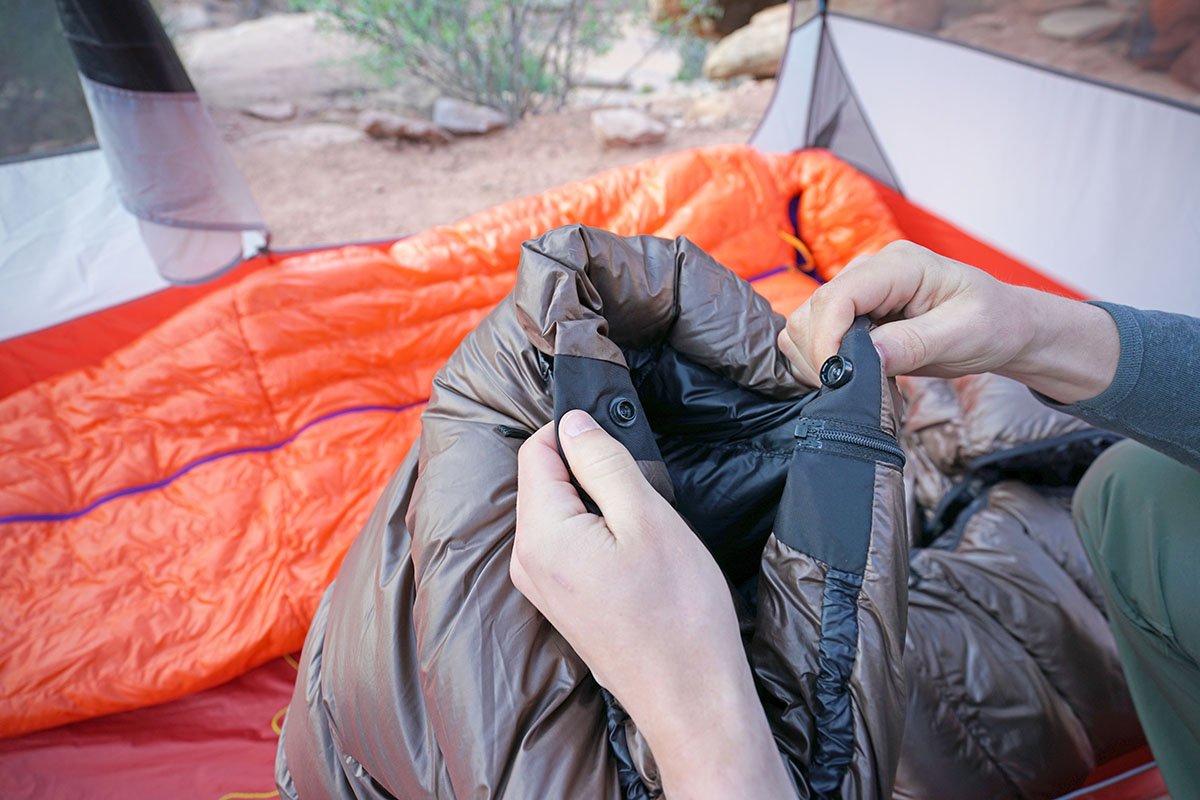
For avid hikers, backpackers, and campers, carrying a heavy sleeping bag can quickly turn an exciting outdoor adventure into a tiring experience. That’s why many adventurers now prefer ultralight sleeping bags—gear that offers warmth, comfort, and protection without weighing you down. In this comprehensive review, we explore the best ultralight sleeping bags available today, analyzing their design, insulation type, temperature rating, and packability so you can find the perfect one for your next outdoor journey.
Why Choose an Ultralight Sleeping Bag
An ultralight sleeping bag is designed for those who want to minimize their pack weight without compromising on comfort or warmth. Every ounce matters on long hikes or mountain climbs, and traditional sleeping bags can often be bulky and cumbersome. Ultralight models, on the other hand, use advanced materials and efficient insulation to reduce weight while maintaining excellent performance.
These bags are perfect for thru-hikers on trails like the Pacific Crest Trail or the Appalachian Trail, as well as for weekend backpackers who prefer to travel light. The reduced weight allows for more energy during long treks, easier packing, and quicker setup at camp.
Key Factors to Consider When Choosing the Best Ultralight Sleeping Bag
When selecting the best ultralight sleeping bags, several critical factors determine overall performance and comfort.
Weight and Packability
The main reason outdoor enthusiasts seek ultralight sleeping bags is to minimize pack weight. Top ultralight models typically weigh between 1 and 2 pounds and can compress down to the size of a water bottle. Always check both the weight and the packed size, as these features directly impact how easy it is to carry on your back.
Temperature Rating
Temperature rating indicates the lowest temperature at which a sleeping bag will keep you comfortable. For ultralight models, a rating between 20°F (-6°C) and 40°F (4°C) is most common, offering versatility for three-season use. If you plan on camping in colder climates, consider a bag with a lower temperature rating, but remember that more insulation usually means more weight.
Insulation Type
There are two main types of insulation: down and synthetic.
- Down Insulation: Made from duck or goose feathers, down provides excellent warmth-to-weight ratio and compressibility. It’s ideal for ultralight sleeping bags but can lose insulation power when wet unless treated with water-resistant coatings.
- Synthetic Insulation: Typically made from polyester fibers, synthetic insulation performs better in damp conditions and dries faster. It’s slightly heavier and bulkier than down but offers reliable warmth even in humid environments.
Shape and Fit
Ultralight sleeping bags come in various shapes, including mummy, semi-rectangular, and quilt-style designs. Mummy bags are the most thermally efficient, reducing dead air space and keeping you warmer with less material. Quilts, on the other hand, are popular among ultralight backpackers who use sleeping pads for insulation beneath them. Choose a shape that balances warmth retention with sleeping comfort.
Fabric and Durability
Look for lightweight yet durable materials like 10D or 20D ripstop nylon. These fabrics offer excellent strength-to-weight ratios and often include DWR (Durable Water Repellent) coatings for extra moisture resistance. Zippers, seams, and stitching quality also affect a bag’s lifespan and performance.
Top Picks for the Best Ultralight Sleeping Bags
After analyzing various models based on weight, insulation, and user feedback, here are some of the best ultralight sleeping bags that stand out in 2025.
1. Western Mountaineering SummerLite
The Western Mountaineering SummerLite remains a favorite among minimalist backpackers. Weighing only 19 ounces, it offers premium 850+ fill down insulation and a snug mummy shape that maximizes warmth. Designed for temperatures down to 32°F (0°C), it’s ideal for three-season adventures. The lightweight ripstop shell and full-length zipper make it both durable and versatile.
2. Feathered Friends Tanager 20 CFL
For those seeking exceptional warmth-to-weight ratio, the Feathered Friends Tanager 20 CFL is a standout. Weighing just 18 ounces, this sleeping bag delivers comfort in temperatures as low as 20°F (-6°C). Its ultralight Pertex Endurance shell provides excellent wind and moisture resistance, while the high-loft down fill ensures superior insulation. It’s a premium choice for alpine backpacking and high-elevation camping.
3. Therm-a-Rest Hyperion 20
The Therm-a-Rest Hyperion 20 is one of the lightest three-season sleeping bags on the market. At only 1 pound 4 ounces, it packs down incredibly small without sacrificing warmth. Featuring 900-fill Nikwax Hydrophobic Down, it resists moisture and retains loft in damp environments. The zoned insulation design focuses warmth where it’s needed most, making it efficient and reliable for weight-conscious hikers.
4. Sea to Summit Spark SP II
Sea to Summit’s Spark SP II is another excellent option for ultralight enthusiasts. Weighing around 17 ounces, this sleeping bag offers 850+ fill down and a compact pack size. It’s perfect for mild to cool conditions with a comfort rating around 35°F (1°C). The ultra-light 10D nylon shell and minimalist design make it a top choice for fastpackers and adventure racers.
5. Enlightened Equipment Enigma Quilt
For those who prefer an open, versatile design, the Enlightened Equipment Enigma Quilt is a game-changer. Weighing as little as 14 ounces depending on the configuration, it’s one of the lightest options available. Quilts eliminate unnecessary bottom insulation to reduce weight and work best when paired with a high-quality sleeping pad. The customizable temperature rating and water-resistant down fill make it a favorite among thru-hikers.
6. Marmot Hydrogen
The Marmot Hydrogen combines comfort, warmth, and ultralight design beautifully. With 800-fill down insulation and a 20°F rating, it offers versatility for spring, summer, and fall camping. The bag weighs just under 2 pounds and includes a full-length zipper for ventilation. Its Pertex Quantum shell adds durability while keeping weight to a minimum.
Caring for Your Ultralight Sleeping Bag
Proper care can significantly extend the lifespan of your ultralight sleeping bag. Always store it loosely in a large storage sack rather than compressed to maintain the loft of the insulation. When in the field, use a sleeping bag liner to minimize sweat and dirt buildup. After trips, wash it with a down- or synthetic-specific cleaner following the manufacturer’s instructions. Air-dry completely before storing to prevent mildew.
Tips for Maximizing Warmth in the Backcountry
Even the best ultralight sleeping bags can only perform optimally when used correctly. Always pair your sleeping bag with an insulated sleeping pad to reduce heat loss through the ground. Wear a hat or lightweight thermal layer on colder nights, and ensure all zippers and draft tubes are sealed properly. If condensation is a concern, use a bivy sack or ventilate your tent to reduce moisture accumulation.
Final Thoughts
Choosing the right ultralight sleeping bag is an investment in comfort, efficiency, and adventure. The best ultralight sleeping bags combine superior insulation, lightweight materials, and smart design to keep you warm without the burden of extra weight. Whether you prefer a classic mummy-style bag or a versatile quilt, there’s a perfect option to suit your backpacking needs. With advancements in material technology and insulation, modern ultralight sleeping bags deliver outstanding warmth, packability, and durability—making them essential companions for any serious outdoor enthusiast.