

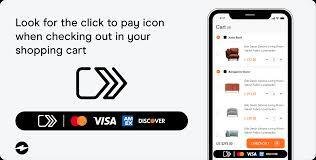
Click to Pay is rapidly becoming one of the most important innovations in digital payments, reshaping how people complete online purchases. In a world where every extra click or form field increases the chance of cart abandonment, this technology is designed to make checkout faster, safer, and nearly invisible. If you’ve ever wished you could pay online as easily as tapping your card in-store, Click to Pay is built for exactly that experience.
One example of this modern checkout solution in action is available here: https://www.fenige.com/products/click-to-pay
What is Click to Pay?
Click to Pay is a secure, standardized online payment system developed by major card networks like Visa, Mastercard, American Express, and Discover. It is based on the EMV Secure Remote Commerce (SRC) framework, which creates a unified checkout experience across different websites, devices, and merchants.
Instead of manually entering card numbers, expiration dates, and CVV codes every time you shop online, Click to Pay allows users to store their payment credentials securely in a digital profile. At checkout, the customer simply selects Click to Pay, chooses their saved card, and confirms the payment.
The key idea is simple: replace repetitive form-filling with a single, trusted, and tokenized payment interaction.
Why Online Checkout Needed to Change
Traditional online checkout processes have long been a weak point in e-commerce. Customers often abandon carts due to slow or complicated payment forms. Studies and industry reports consistently show that friction at checkout is one of the biggest reasons for lost sales.
Click to Pay solves these problems by removing unnecessary steps. Instead of repeatedly typing sensitive information, users authenticate once and reuse securely stored payment credentials. This reduces both effort and frustration, especially on mobile devices where typing long card details is inconvenient.
How Click to Pay Works Behind the Scenes
While the user experience is simple, the technology powering Click to Pay is highly advanced.
First, a customer creates a Click to Pay profile with their email or phone number and adds their card details. These details are not stored in raw form. Instead, they are converted into secure digital tokens. This process is called tokenization.
When the customer shops at a participating merchant, the checkout system recognizes their Click to Pay profile. The user may be identified automatically or asked to verify their identity using a one-time code or biometric confirmation.
Once verified, the system displays the user’s saved cards. The customer selects one, confirms the purchase, and the payment is processed using a token rather than the actual card number.
This is important because it ensures that sensitive card data is never exposed to the merchant during the transaction.
Key Features of Click to Pay
Click to Pay is not just about convenience; it also brings together several important features that improve the overall payment experience.
First, it offers cross-platform consistency. Whether a customer is shopping on a laptop, smartphone, or tablet, the experience remains the same.
Second, it uses advanced tokenization to protect sensitive data, reducing the risk of fraud and data breaches.
Third, it supports major card networks, meaning users do not need separate wallets for different providers.
Finally, it integrates smoothly into existing card payment systems, so merchants can offer it without rebuilding their entire checkout flow.
Benefits for Customers
For shoppers, Click to Pay eliminates one of the most frustrating parts of online shopping: repeatedly entering payment details. It saves time, reduces errors, and makes checkout feel almost effortless.
It is especially useful for mobile users, where typing long card numbers is inconvenient. Instead of switching between apps or manually entering information, users can complete payments in just a few clicks.
Security is another major benefit. Because Click to Pay uses tokenization and issuer authentication, customers are protected from many common types of online fraud.
Benefits for Businesses and Merchants
For merchants, Click to Pay directly addresses one of the biggest challenges in e-commerce: cart abandonment. Every extra step in the checkout process increases the chance that a customer will leave without completing the purchase.
By simplifying checkout, businesses can improve conversion rates and reduce friction at the final stage of the buying journey. It also helps build trust, since customers are more likely to complete transactions when they recognize a familiar and secure payment option.
Additionally, Click to Pay works alongside existing payment gateways, meaning businesses do not need to replace their current systems. It can be added as an additional checkout option, making implementation relatively straightforward.
Click to Pay vs Traditional Card Payments
Traditional card payments require users to manually input sensitive details every time they shop online. This process is not only time-consuming but also increases the risk of typing errors and failed transactions.
Click to Pay replaces this with a stored, token-based system. Instead of re-entering information, users authenticate once and reuse their secure profile across different merchants.
In short, traditional payments are repetitive and manual, while Click to Pay is streamlined and automated.
Security and Trust in Click to Pay
Security is one of the strongest pillars of Click to Pay. Since actual card details are never transmitted during checkout, the risk of interception is significantly reduced.
Tokenization ensures that even if transaction data is intercepted, it is useless without the original secure mapping. Combined with bank-level authentication methods like one-time passwords or biometric verification, Click to Pay creates a strong defense against fraud.
This combination of convenience and security is what makes it a preferred solution for modern digital commerce.
The Future of Online Payments
As e-commerce continues to grow, the demand for faster and more seamless payment methods will only increase. Click to Pay represents a shift toward invisible payments, where the checkout process becomes almost effortless for users.
Instead of filling forms and remembering passwords, customers will increasingly rely on secure, pre-authenticated payment systems that work across platforms and devices.
Businesses that adopt this technology early can reduce friction, improve user experience, and stay ahead in an increasingly competitive digital marketplace.
Conclusion
Click to Pay is more than just a payment feature—it is a complete rethink of how online checkout should work. By combining tokenization, secure authentication, and a unified user experience, it removes unnecessary friction from digital payments.
As showcased by solutions like https://www.fenige.com/products/click-to-pay, this technology is helping shape the future of frictionless online commerce. The result is a faster, safer, and more intuitive checkout experience that benefits both customers and businesses alike.