

When disaster strikes, whether it’s a flood, fire, storm, or another unexpected event, the first 24 hours are critical. A prompt response can prevent further damage, reduce health hazards, and begin the long journey of restoring your property. Hiring a professional disaster clean up service ensures that you are not left navigating this stressful period alone. In this article, we’ll explore what you can expect from a disaster clean up service during the first crucial hours after an incident.
Immediate Response and Assessment
The first step a disaster clean up service takes is responding quickly to your emergency call. Most reputable companies offer 24/7 emergency services because disasters rarely happen during convenient hours. Upon arrival, the team will conduct a thorough assessment of the property. This assessment involves identifying the type and extent of the damage, potential safety hazards, and areas that require urgent attention.
During this phase, the disaster clean up service will determine whether specialized equipment or subcontractors are needed. For instance, water damage may require high-powered water extraction machines, while fire damage might necessitate smoke and soot remediation tools. Accurate assessment ensures that the cleanup plan is effective and that no hidden issues are overlooked.
Safety Precautions and Hazard Mitigation
Safety is a top priority in any disaster cleanup scenario. Within the first few hours, the disaster clean up service will focus on making the property safe for both occupants and workers. This may include shutting off electricity or gas lines, boarding up broken windows, or removing structural hazards.
If the disaster involves water contamination, such as a sewage backup or flood, the team will take steps to contain and isolate hazardous materials. They may also use personal protective equipment (PPE) to prevent exposure to harmful substances. These safety measures are critical because secondary damage or injuries can occur if hazards are ignored.
Water and Debris Removal
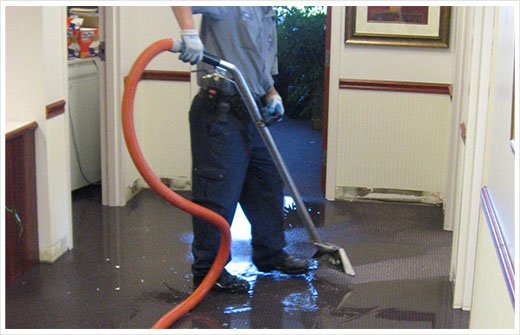
For disasters involving water, such as floods or burst pipes, one of the most immediate tasks is water extraction. Standing water can cause rapid structural damage, promote mold growth, and compromise electrical systems. Disaster clean up services typically deploy industrial-grade pumps, wet vacuums, and dehumidifiers to remove water as quickly as possible.
In addition to water removal, debris and damaged materials are cleared. This includes broken furniture, fallen trees, damaged flooring, and other items that may pose a risk. Efficient debris removal not only makes the property safer but also allows the restoration process to begin more smoothly.
Initial Drying and Dehumidification
Once water has been removed, the disaster clean up service focuses on drying the affected areas. Using specialized equipment such as air movers, industrial fans, and dehumidifiers, the team works to reduce moisture levels in walls, floors, and furniture.
Rapid drying is essential in preventing long-term issues like mold and mildew, which can begin developing within 24 to 48 hours after water exposure. Monitoring moisture levels throughout the drying process ensures that all areas are adequately treated and reduces the risk of hidden damage.
Documentation and Insurance Support
Another critical task performed by a disaster clean up service in the first 24 hours is documenting the damage. Photos, videos, and detailed notes are collected to support insurance claims. Proper documentation can make the claims process smoother and help ensure that you receive appropriate coverage for repairs.
Professional disaster clean up services often liaise directly with insurance companies, providing estimates and damage reports. This support can be invaluable during a stressful time, as it reduces the burden on property owners and helps prevent disputes with insurers.
Mold Prevention and Sanitization
After a disaster involving water, mold prevention becomes a priority. Even small amounts of residual moisture can trigger mold growth. Disaster clean up services use antimicrobial treatments and specialized cleaning solutions to disinfect affected areas, helping to minimize the risk of contamination.
For disasters involving hazardous materials, such as chemical spills or sewage backups, sanitization is crucial. The team ensures that all surfaces are treated to remove harmful pathogens and restore the property to a safe condition. This step is vital for the health and safety of anyone reentering the property.
Communication and Planning for Restoration
Throughout the first 24 hours, a disaster clean up service will communicate closely with property owners. This includes explaining the steps being taken, outlining the timeline for cleanup and restoration, and discussing any additional services that may be required.
An experienced team will provide a clear plan for the next stages of restoration, including structural repairs, electrical work, and replacement of damaged materials. This roadmap helps property owners understand what to expect and ensures that the restoration process proceeds efficiently.
Emotional Support and Guidance
While physical cleanup is essential, disaster recovery also involves emotional support. Experiencing property damage can be traumatic, and professional disaster clean up services recognize the importance of guiding homeowners through this stressful time. Teams often provide reassurance, advice on safety precautions, and resources for temporary housing or other immediate needs.
Why Immediate Action Matters
The first 24 hours after a disaster can significantly influence the overall recovery process. Prompt intervention by a disaster clean up service reduces the risk of secondary damage, minimizes health hazards, and speeds up the timeline for full restoration. Waiting too long can result in more extensive repairs, higher costs, and potential long-term issues like mold or structural compromise.
Choosing the Right Disaster Clean Up Service
Not all cleanup services are created equal. When selecting a disaster clean up service, it’s essential to consider experience, certifications, equipment, and response time. A reliable service should be available 24/7, provide clear communication, and offer comprehensive solutions tailored to the specific type of disaster.
Look for companies that have a proven track record, positive customer reviews, and partnerships with insurance providers. Ensuring that the service can handle emergencies quickly and efficiently can make a significant difference in your recovery process.
Conclusion
The first 24 hours after a disaster are critical in preventing further damage and beginning the restoration process. A professional disaster clean up service handles everything from immediate assessment and safety precautions to water removal, drying, sanitization, and documentation. Their expertise not only protects your property but also supports you through a stressful time, ensuring that recovery is as smooth and efficient as possible. Acting quickly and choosing the right service can dramatically reduce the long-term impact of any disaster, giving homeowners peace of mind during one of life’s most challenging situations.
A trusted disaster clean up service is more than just a cleanup team; it’s a partner in recovery, helping you navigate the immediate aftermath with expertise, efficiency, and care.