

Flooding can strike unexpectedly, leaving homeowners facing costly damage and long-term issues if not addressed promptly. Understanding effective flooding services techniques is essential for minimizing damage and protecting your home. Whether dealing with heavy rainfall, a burst pipe, or overflowing rivers, knowing what professional restoration teams do—and what homeowners can prepare for—can make all the difference. This guide explores top flooding services techniques that every homeowner should know to safeguard their property and speed up recovery.
Understanding the Importance of Flooding Services
Flooding is more than just water in the home. It can lead to structural damage, mold growth, and damage to personal belongings. Flooding services are designed to handle these emergencies efficiently. Professional teams have specialized equipment and knowledge to restore properties quickly and safely. Homeowners who understand these techniques are better prepared to act immediately after a flood, reducing the risk of long-term damage.
Immediate Response and Assessment
One of the first techniques used in flooding services is a rapid assessment of the affected area. Professionals inspect the property to determine the severity of the water intrusion. They evaluate which areas are safe to enter and identify potential hazards such as electrical risks or structural weaknesses. Homeowners should also conduct a quick assessment, checking for standing water, compromised electrical systems, and any items at risk of permanent damage.
Water Extraction Techniques
Removing standing water is a critical step in flooding services. Experts use high-powered pumps and wet/dry vacuums to extract water quickly. This reduces the chance of structural damage and helps prevent mold growth. Homeowners can take preliminary steps by safely removing smaller pools of water using buckets or mops, but heavy flooding requires professional equipment to ensure complete extraction.
Drying and Dehumidification
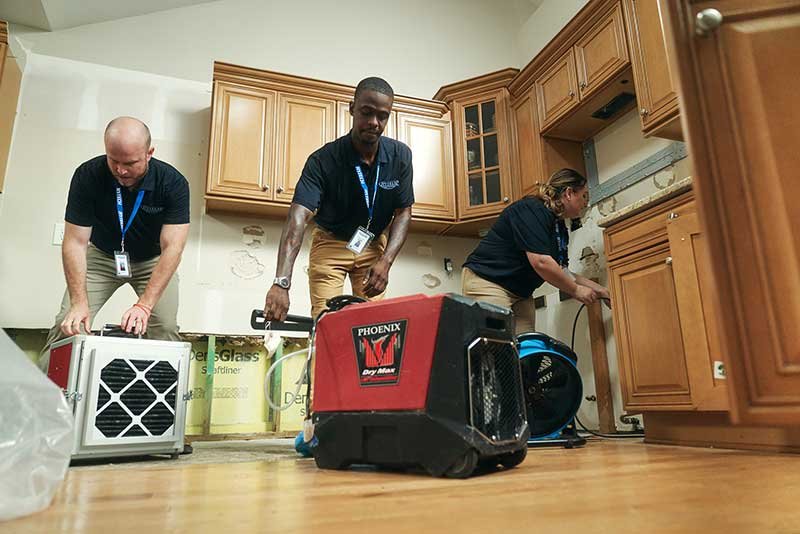
After water removal, drying the property is the next essential technique. Flooding services utilize industrial-grade dehumidifiers and air movers to remove moisture from walls, floors, and furniture. This process is crucial to prevent mold and mildew, which can develop within 24 to 48 hours of water exposure. Homeowners should open windows and use fans if safe, but professional equipment accelerates drying and ensures hidden moisture is addressed.
Cleaning and Sanitization
Floodwaters often carry contaminants, making cleaning and sanitization a vital technique in flooding services. Professionals clean and disinfect affected areas to remove bacteria, mold spores, and other harmful substances. This includes walls, floors, and personal belongings. Homeowners should avoid contact with contaminated water and use protective gear if attempting preliminary cleaning. Proper sanitization protects health and helps restore the home to a safe living environment.
Structural Repairs and Restoration
Flooding can damage drywall, flooring, insulation, and even the foundation. Restoration is a key technique in professional flooding services. Experts repair or replace damaged materials, ensuring the property is structurally sound. Homeowners should document damages and keep receipts for insurance purposes. Timely restoration prevents minor issues from escalating into major structural problems.
Mold Prevention and Remediation
Mold is a common and dangerous consequence of flooding. Flooding services include mold prevention and remediation as a core technique. After drying and cleaning, professionals apply anti-microbial treatments and monitor moisture levels to prevent mold growth. Homeowners should be aware of mold warning signs, such as musty odors or discoloration on walls, and act quickly if mold appears.
Using Moisture Detection Tools
Modern flooding services rely on moisture detection tools to identify hidden water damage. Infrared cameras and moisture meters allow professionals to find damp areas behind walls, under floors, or inside insulation. This ensures thorough restoration and prevents future mold problems. Homeowners can also use basic moisture meters to check problem areas, but professional tools provide precise readings that guide remediation.
Documentation and Insurance Support
Flooding services techniques also include thorough documentation for insurance purposes. Professionals take photos, create damage reports, and provide estimates for repairs. This is invaluable when filing insurance claims. Homeowners should keep a detailed record of all damages, restoration efforts, and communications with insurance providers to streamline the claims process.
Preventive Measures for Homeowners
Understanding professional flooding services techniques helps homeowners implement preventive measures. Some strategies include:
- Installing sump pumps and backflow valves to reduce the risk of water entering the home.
- Ensuring proper grading around the property to direct water away from the foundation.
- Sealing cracks in walls and foundations to prevent seepage.
- Maintaining gutters and downspouts to prevent overflow during heavy rains.
By taking proactive steps, homeowners can minimize the need for extensive flooding services and protect their property from future incidents.
Choosing the Right Flooding Services Provider
Selecting a reliable flooding services provider is crucial. Look for companies with certified technicians, positive reviews, and experience in water damage restoration. A trusted provider will respond quickly, use advanced techniques, and handle all aspects of restoration, from water extraction to mold prevention. Homeowners should also verify insurance coverage and licenses to ensure proper service.
Key Takeaways for Homeowners
Flooding can be overwhelming, but understanding the techniques used in professional flooding services equips homeowners to respond effectively. Immediate assessment, water extraction, drying, cleaning, structural repairs, mold prevention, and thorough documentation are all essential components of an effective flood response. By combining knowledge of these techniques with preventive measures, homeowners can protect their property, reduce costs, and restore their homes safely.
In conclusion, mastering the basics of flooding services techniques empowers homeowners to face water emergencies with confidence. While professional intervention is often necessary for major floods, knowing what to expect and how restoration is conducted can streamline recovery and protect your home for years to come. Preparedness, prompt action, and collaboration with skilled flooding services experts are the keys to minimizing damage and ensuring a safe, healthy living environment.