

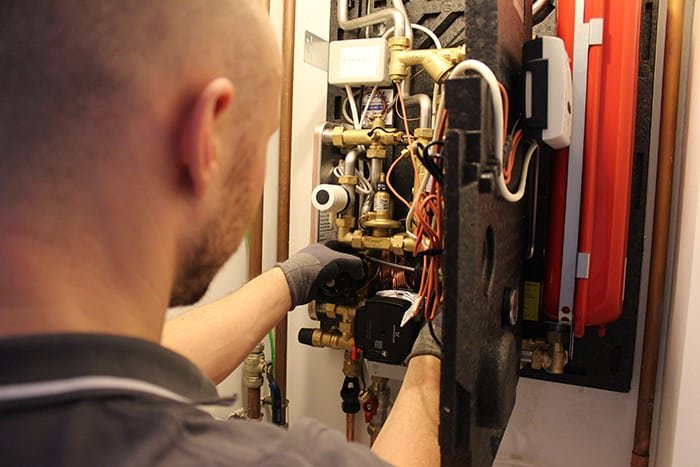
In modern residential buildings across London, efficient and reliable heating is more than a luxury—it’s a necessity. One of the critical components ensuring consistent warmth and hot water in apartments and multi-occupancy buildings is the Heat Interface Unit, or HIU. Understanding how HIUs function and why professional maintenance is essential can save residents from discomfort, unexpected costs, and energy inefficiency. This article delves into the role of HIU in London’s residential heating systems, highlighting the importance of HIU service London and HIU repair London.
Understanding the Heat Interface Unit
A Heat Interface Unit (HIU) is a compact, wall-mounted device that connects an individual apartment to a centralised heating network. These units allow buildings to provide hot water and heating without the need for individual boilers in each flat. By using a shared energy source, typically a central boiler or district heating system, HIUs distribute heat efficiently to multiple residences.
The primary function of an HIU is to transfer heat from the communal system to the property while keeping the water in the central network separate from the domestic water supply. This ensures hygiene, reduces the risk of contamination, and allows for precise control over the temperature and flow of heating and hot water within each flat.
How HIUs Work
HIUs operate on a straightforward principle: they extract thermal energy from the building’s central heating system and deliver it directly to radiators, underfloor heating, and hot water taps. The unit contains heat exchangers, valves, meters, and controls, which together manage the flow and temperature of water.
The heat exchanger separates the central system’s water from the domestic supply, ensuring that the building’s shared water does not mix with water used for showers, sinks, or baths. Valves regulate the flow of hot water, allowing users to adjust temperatures according to personal comfort. In addition, integrated metering systems in modern HIUs monitor energy usage for billing and efficiency purposes, making them a vital part of London’s residential energy management.
Benefits of HIUs in London Residences
HIUs offer numerous advantages for residents and property managers in London.
- Energy Efficiency: By utilising a central heating source, HIUs reduce fuel consumption compared to individual boilers. This efficiency translates to lower energy bills and a reduced environmental impact.
- Space Saving: Individual boilers can be bulky and occupy significant space within flats. HIUs are compact, wall-mounted, and require minimal installation space, making them ideal for high-density London apartments.
- Reliable Hot Water Supply: HIUs can provide a consistent supply of hot water on demand. Unlike traditional systems that rely on stored hot water tanks, HIUs heat water instantaneously, reducing wait times and energy wastage.
- Individual Control: Even in shared heating networks, residents can control their own temperatures and usage, ensuring comfort while preventing unnecessary energy consumption.
- Reduced Maintenance Complexity: With a central system supplying heat, individual HIUs require less frequent heavy maintenance compared to multiple separate boilers, but professional servicing remains crucial.
The Importance of HIU Service London
Regular maintenance is vital for the optimal performance of HIUs. HIU service London providers ensure that these units function safely, efficiently, and reliably. Scheduled servicing includes inspecting heat exchangers, checking valves, testing safety controls, and ensuring metering systems are accurate.
Professional servicing can prevent common issues such as reduced water flow, inconsistent heating, or leaks that may arise from wear and tear. By addressing these problems early, residents avoid costly repairs and prolong the lifespan of the HIU. In addition, routine service helps maintain energy efficiency, saving money on heating bills and supporting environmental sustainability.
Common HIU Problems and the Need for HIU Repair London
Despite their robust design, HIUs can develop faults over time. Common problems include:
- Reduced Hot Water Output: This often occurs due to sediment buildup in the heat exchanger or blockages in valves.
- Temperature Fluctuations: Faulty thermostats or failing control systems can lead to inconsistent heating.
- Leaks or Corrosion: Over time, components may wear out, causing leaks that compromise system efficiency.
- Metering Errors: Inaccurate energy readings can affect billing and monitoring, necessitating recalibration or replacement.
HIU repair London specialists are trained to diagnose and rectify these issues efficiently. Whether it involves replacing a worn-out heat exchanger, fixing faulty valves, or recalibrating meters, professional repair ensures the system continues to operate safely and effectively. Timely repairs also reduce the risk of further damage, protecting both the building infrastructure and resident comfort.
Choosing the Right HIU Service Provider
Selecting a reliable HIU service London provider is crucial for maintaining system performance. Residents and property managers should look for providers with:
- Experience in Multi-Occupancy Buildings: Familiarity with London’s residential heating layouts ensures efficient and tailored service.
- Certified Technicians: Properly trained engineers ensure safe and effective maintenance and repair.
- Prompt Response Times: Heating issues often require immediate attention, particularly in cold months.
- Transparent Pricing: Clear service and repair costs help avoid unexpected expenses.
Engaging a reputable service provider not only keeps HIUs running smoothly but also contributes to energy efficiency, resident satisfaction, and long-term cost savings.
Future Trends in HIU Technology
The role of HIUs in London is evolving as energy efficiency and sustainability become increasingly important. Modern units now feature smart controls, enabling residents to monitor and adjust heating via mobile apps. Integration with building management systems allows for centralized monitoring, predictive maintenance, and optimized energy distribution.
Additionally, innovations in heat exchangers, flow control, and energy metering are enhancing the performance and reliability of HIUs, making them an even more critical component in London’s sustainable residential infrastructure.
Conclusion
Heat Interface Units are the backbone of many London residential heating systems, offering energy efficiency, individual control, and reliable hot water supply. Regular maintenance through HIU service London and timely interventions from HIU repair London specialists ensure that these systems continue to operate efficiently, safely, and cost-effectively.
As London continues to grow and energy standards tighten, HIUs will play an increasingly vital role in providing comfortable, sustainable, and modern heating solutions for city residents. Proper understanding, professional servicing, and prompt repairs are key to unlocking the full benefits of these essential devices.