

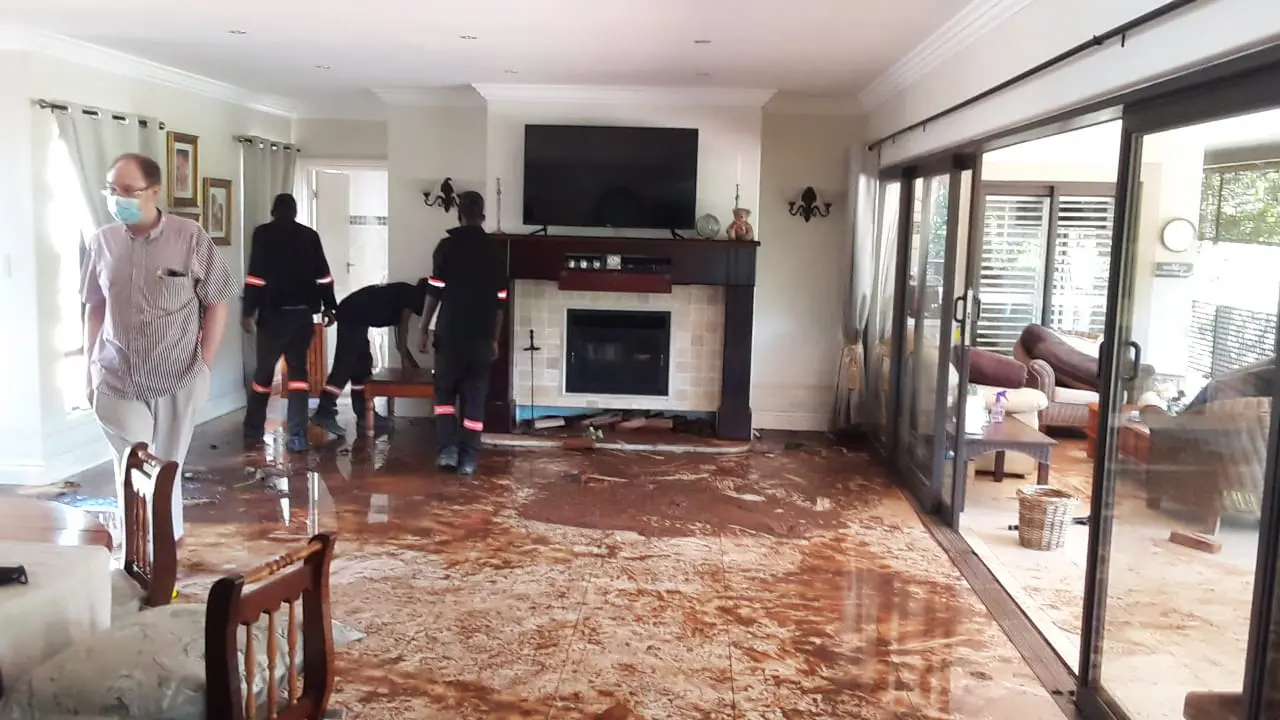
Floods can strike with little warning, turning a peaceful home into a waterlogged disaster. When faced with this situation, homeowners often find themselves overwhelmed by the sheer magnitude of the damage and the urgency required to mitigate it. Effective emergency flood cleaning is critical to minimize structural damage, prevent mold growth, and restore a safe living environment. Understanding the right steps and precautions can make a significant difference in the recovery process.
Understanding the Importance of Immediate Action
Time is of the essence when dealing with flood damage. Standing water can quickly seep into floors, walls, and furniture, leading to structural weakening and creating a breeding ground for bacteria and mold. The sooner emergency flood cleaning begins, the higher the chances of salvaging personal belongings and minimizing long-term damage. Quick action also reduces health risks associated with contaminated water, especially if the flood involves sewage or runoff from streets.
Assessing the Situation Safely
Before diving into cleanup, safety should be the top priority. Flooded areas may contain electrical hazards, sharp objects, or unstable structures. Turn off the electricity at the main breaker and avoid stepping into standing water if live wires are present. Wear protective gear such as waterproof boots, gloves, and a mask to protect against harmful contaminants. Conducting a careful assessment helps determine the extent of water damage and identify areas that need immediate attention during emergency flood cleaning.
Removing Standing Water Efficiently
The first step in the cleanup process is removing standing water. Depending on the flood’s severity, this can involve buckets, mops, wet-dry vacuums, or professional-grade pumps. For minor flooding, household tools may suffice, but large-scale water intrusion often requires hiring a restoration company. Focus on areas where water collects and ensure proper drainage to prevent water from pooling again. Quick water removal helps protect floors, carpets, and lower-level furniture from further damage.
Drying and Dehumidifying Your Home
Once standing water is removed, the next crucial step is drying out the affected areas. Use fans, dehumidifiers, and open windows to promote airflow and speed up the drying process. Pay attention to hidden spaces such as under carpets, inside walls, and behind furniture, as residual moisture can lead to mold growth. For homes with significant flooding, it may be necessary to remove soaked carpets, padding, and drywall to ensure proper drying. Effective drying is a cornerstone of successful emergency flood cleaning.
Cleaning and Disinfecting Contaminated Areas
Floodwater often carries bacteria, chemicals, and other contaminants, making thorough cleaning essential. Scrub all surfaces with soap and water, then disinfect with solutions like bleach mixed with water to eliminate harmful microorganisms. Be cautious with porous materials like wood and fabric, which may require specialized cleaning techniques or disposal if heavily contaminated. Regular household cleaners may not suffice in severe cases, so consider professional services for proper sanitization.
Protecting Personal Belongings and Valuables
Water damage can devastate personal items such as furniture, electronics, and important documents. During emergency flood cleaning, prioritize salvaging belongings based on their value and susceptibility to water damage. Electronics should be powered off and dried cautiously, while paper documents can be air-dried or frozen to prevent further deterioration. Upholstered furniture and mattresses may require professional restoration or, in some cases, disposal to prevent health risks.
Preventing Mold and Mildew Growth
Mold can start developing within 24 to 48 hours after flooding, making prompt action vital. After cleaning and drying, inspect areas for signs of mold and treat surfaces with mold-resistant solutions. Keep humidity levels low using dehumidifiers and maintain airflow throughout the home. Regularly monitor previously affected areas to ensure mold does not return. Preventive measures during emergency flood cleaning can save homeowners from costly and extensive remediation later.
Using Professional Help When Necessary
While homeowners can handle minor flooding, significant water damage often requires professional intervention. Restoration experts possess specialized equipment and training to handle emergency flood cleaning safely and effectively. They can assess structural damage, thoroughly dry hard-to-reach areas, and treat contamination issues. Professional help can also expedite insurance claims, as many companies require documentation and reports from certified restoration services.
Health Precautions During Cleanup
Floodwater can carry a range of harmful microorganisms, chemicals, and sewage, making health precautions critical. Wear protective clothing, avoid direct contact with contaminated water, and wash hands thoroughly after cleanup. If symptoms such as respiratory issues, skin irritation, or gastrointestinal problems arise, seek medical attention immediately. Maintaining personal safety while conducting emergency flood cleaning ensures that the recovery process does not compromise your health.
Preventing Future Flood Damage
After the immediate cleanup, it’s essential to consider preventive measures to reduce future flood risks. Elevating appliances, installing sump pumps, improving drainage systems, and sealing vulnerable areas can help protect your home. Regular maintenance and awareness of flood-prone conditions are key to mitigating the impact of future water damage. Implementing these strategies alongside emergency flood cleaning ensures long-term safety and resilience.
Conclusion
Emergency flood cleaning is a challenging but crucial task for homeowners facing water damage. Swift action, proper safety measures, and thorough cleaning can significantly reduce structural damage, prevent mold growth, and safeguard personal belongings. Understanding the steps involved—from assessing the situation, removing water, drying and disinfecting, to seeking professional help—ensures that your home recovers as efficiently and safely as possible. By taking preventive measures and preparing for potential floods, homeowners can better protect their properties and maintain peace of mind in the face of unexpected disasters.