

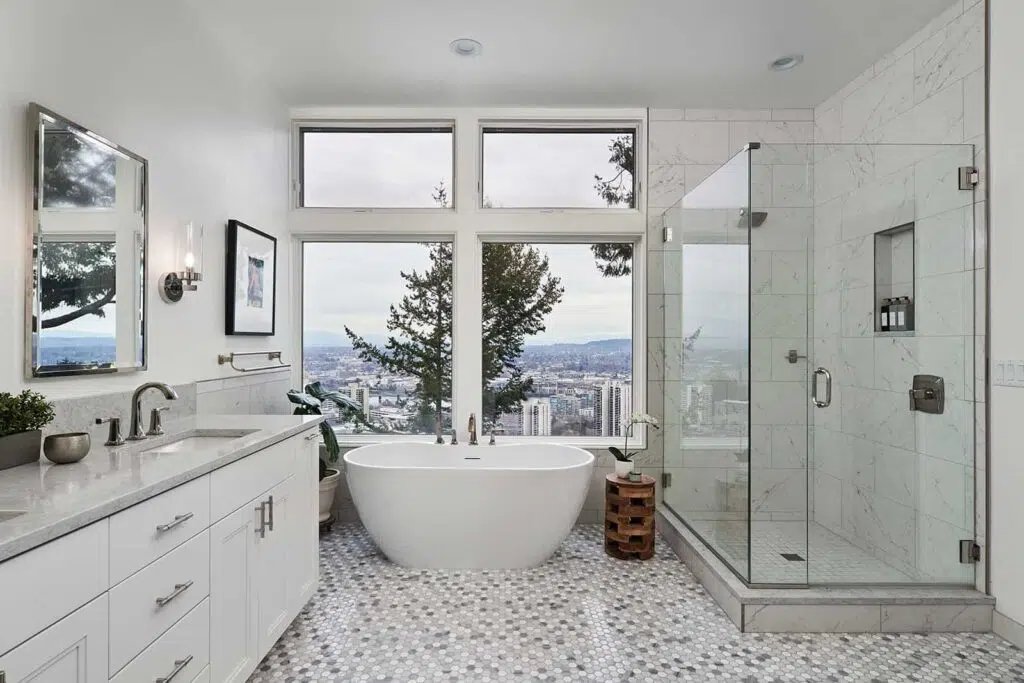
When planning a master bathroom, the floor plan is the backbone of daily comfort and long-term value. A thoughtful layout determines how you move through the room, where you store towels, and how you unwind after a long day. In this guide, we explore practical strategies for master bathroom floor plans that fit your home, your routine, and your budget. For many homeowners, starting with strong spacing and clear zones leads to fewer upgrades later and a more enjoyable daily ritual. Designers often look for opportunities to blend function with a spa-like atmosphere, while preserving privacy where it matters most.
Key elements to include in master bathroom floor plans
Successful master bathroom floor plans balance form and function. Prioritize distinct zones for shaving and brushing, bathing, and dressing. The vanity area should be comfortable for two, with adequate counter space and storage. A dedicated shower and a separate soaking tub or freestanding tub can create a luxury feel without crowding the room. Don’t forget a private water closet or a discreet enclosed toilet if you value intimacy and noise control. Lighting should be layered—soft ambient light for relaxation, bright task lighting at the vanity, and mood lighting near the tub or showers. Ventilation is essential to prevent moisture buildup and must be considered in every layout.
Layout options that maximize space
Different configurations work for different homes and lifestyles. Here are some popular layout options to consider as you sketch your plan:
- L-shaped layouts around a central vanity and window seat, offering a natural flow from dressing to washing.
- U-shaped designs that enclose the shower and tub while keeping the vanity in an open aisle, ideal for larger master suites.
- Wet room concepts with a zero-threshold shower and minimal partitions for an airy, spa-like atmosphere.
- Split layouts that separate the toilet or bidet into a private alcove, increasing privacy for couples sharing a bathroom.
When evaluating these options, consider door swings, traffic patterns, and the distance between fixtures. A pocket door can save space, while a pocketed or barn-style door reduces clutter and improves accessibility. A well-planned layout also anticipates future needs, such as aging in place or accommodating mobility devices, by keeping clearances at vanities and entryways.
Materials, lighting, and comfort features
Materials influence both aesthetics and practicality. Choose non-slip, water-wise flooring such as porcelain tile, stone, or treated wood with a sealed finish. Heated flooring adds comfort during chilly mornings and can be integrated with smart thermostats for energy efficiency. For walls, moisture-resistant paint or ceramic tile up to a splash line helps protect surfaces and simplify maintenance. Lighting should combine ambient, task, and accent layers. Dimmable fixtures above the tub or shower and bright, glare-free mirror lighting at the vanity create a versatile environment for morning routines or evening relaxation.
Storage should be intrinsic to the design. Recessed niches in showers, built-in linen cabinets, and tall, slender vanities with drawers keep essentials organized without clutter. Thoughtful details like a makeup area with seating, a bench in the shower, or towel warmers can elevate comfort and convenience. Finally, address acoustics—soft-close cabinetry and quiet ventilation systems contribute to the serene feel of a master retreat.
Practical steps to finalize your plan
To move from concept to construction, start with accurate measurements of your space and a clear list of must-haves. Create a rough sketch that places the toilet, shower, tub, and vanity within easy reach of each other while maintaining privacy. Consult a designer or contractor who can verify code requirements for ceiling heights, exhaust fans, and plumbing venting. If you’re remodeling an existing bathroom, preserve structural elements that work well and only modify those that restrict flow or access. Finally, gather inspiration from magazines or online portfolios, noting which layouts resonate with your lifestyle and budget.
For more design ideas, visit the HausFixr homepage.
 admin
admin