

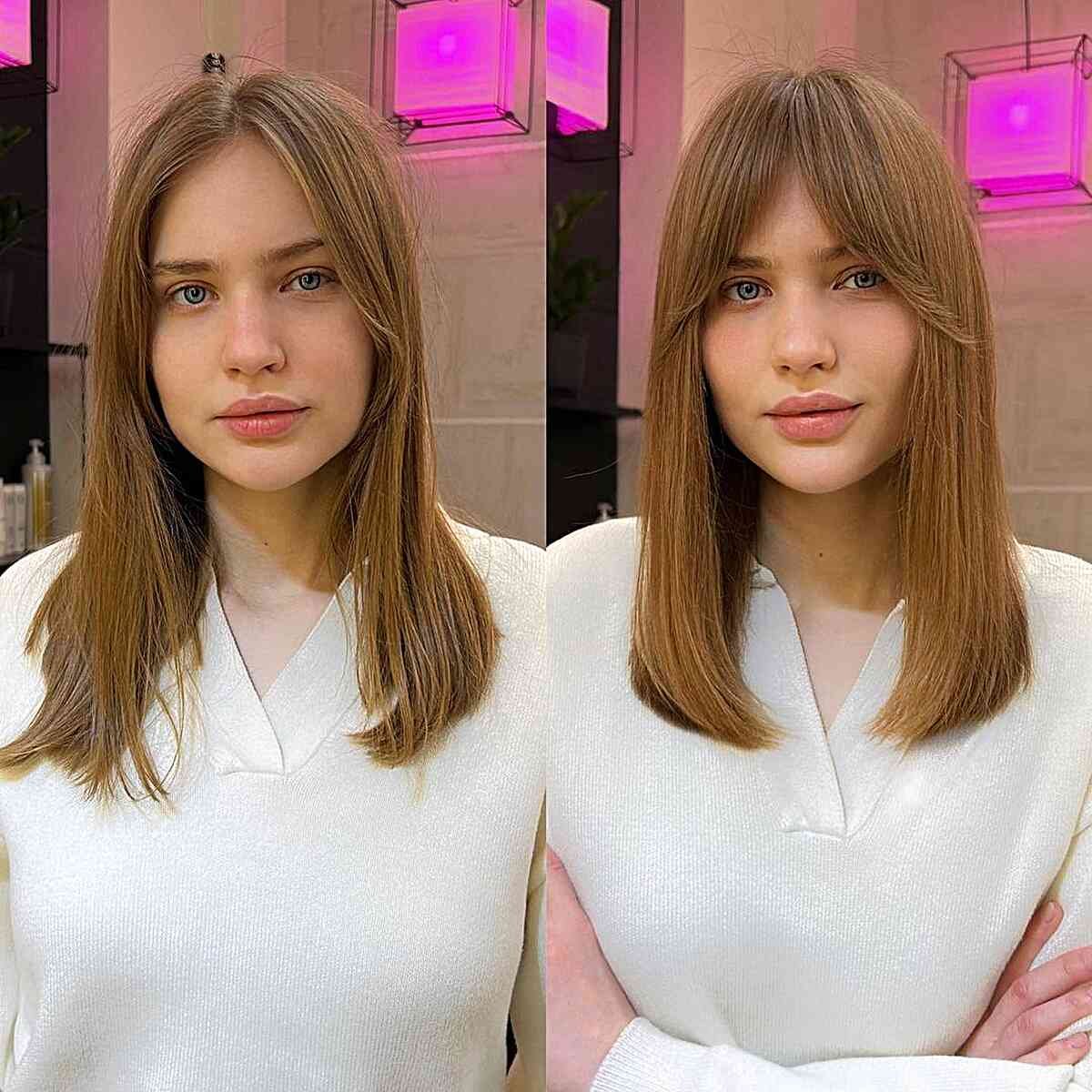
Curtain bangs are a versatile, flattering option that can soften features while still allowing plenty of visibility and movement. They blend with the rest of your hair for a relaxed, movie-star vibe, and they’re surprisingly forgiving for at-home styling. If you’re curious about this trend and want to master it without visiting a salon, you’re in the right place. For a detailed guide, how to cut curtain bangs walks you through the process step by step, with tips that work for most hair types and lengths.
Tools and preparation
Gather sharp hair-cutting scissors (not household scissors), a fine-tooth comb, several small clips, a spray bottle with clean water, and a well-lit mirror. Start with slightly damp hair—curtain bangs take shape more naturally when the hair is not bone-dry. If your hair tends to frizz, consider applying a light leave-in conditioner or smoothing cream before you begin. For a precise guide and extra visuals, you can also revisit the linked resource above.
Step-by-step: how to cut curtain bangs
- Section the front: Create a horizontal panel or a subtle “V” at the top of your forehead. Clip away the sides you won’t trim yet so you’re working with a clean area.
- Position for the cut: Lift the front section between your index finger and middle finger at a slight upward angle. This creates the soft curve that defines curtain bangs.
- Make the first trim: Begin with a conservative 1/4-inch (6 mm) cut. Hold the scissors barely open and snip in short, controlled bursts. Check the length in the mirror and allow the hair to settle as it dries.
- Check symmetry and adjust: Lower the section and compare both sides. If one side is longer, trim in tiny increments (no more than 1/8 inch or 3 mm at a time) until they balance.
- Blend into the rest: To avoid a blunt edge, angle the remaining ends slightly toward the outer corners of your eyes as you finish the cut. Refresh with a light mist of water and a gentle comb-through to refine the shape.
Tip: Curtain bangs can behave differently depending on your natural part and hair texture. If you have a cowlick or a stubborn kink, you may need to dry with a round brush or use a small amount of smoothing product to guide the bend of the fringe. If you overcut, dampen the hair and naturally let it fall into place again before assessing the result. For extra inspiration, see related tutorials via the linked guide above.
Tips for different hair types and faces
Fine or straight hair often holds a soft curtain shape well, while thicker or wavier hair might require a longer fringe or a slightly heavier bend at the ends to maintain movement. For round faces, keep the fringe longer toward the temples to create the illusion of length. For square jawlines, a gentle rounded edge near the cheeks softens angles. If you have middle-part hair, you can shift to a deeper side part after you cut to change the framing effect, without touching the fringe again.
Maintenance and styling ideas
Plan trims every 3–6 weeks to maintain the shape, depending on growth and how you wear them daily. Use a lightweight styling cream or a small amount of shine serum to keep the fringe smooth without weighing it down. When styling, the key is to avoid pressing the fringe too hard into place; instead, guide it with fingers or a soft brush while the hair is damp, then let it air-dry or finish with a gentle blow-dry. You can pair curtain bangs with a soft curl at the ends or a sleek, straight look, depending on your mood and outfit. For more tutorials and inspiration, visit the Studio Stylee homepage for a broader set of hair-care tips and trends: Studio Stylee homepage.
If you’re ready to dive deeper into techniques, or if you need a refresher on the exact steps, remember that the full guide how to cut curtain bangs is designed to help you nail the look with confidence.
 admin
admin